

Energy Conservation
Energy Conservation, Warehouse Optimizations
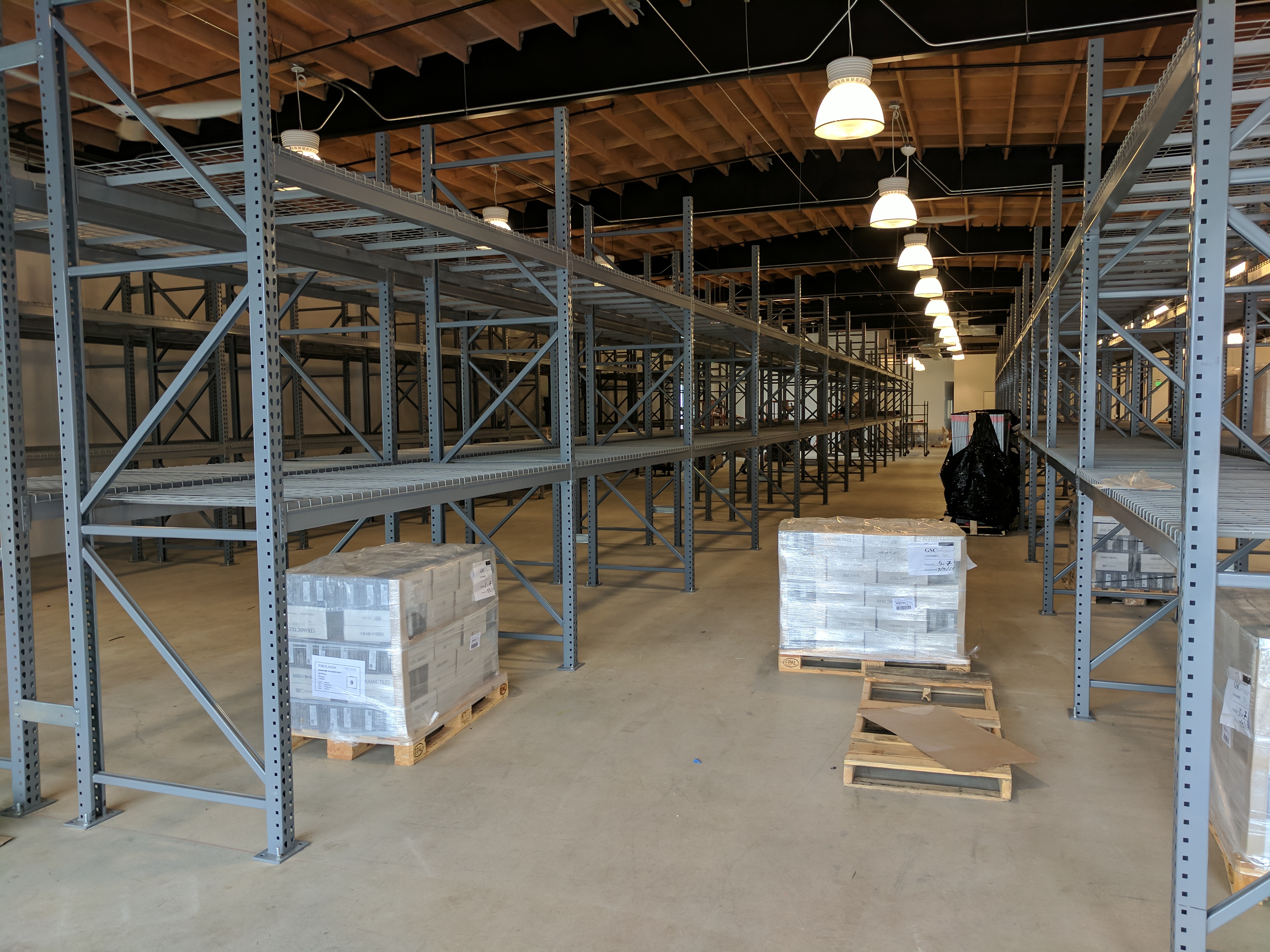
Objective
Most facilities are wasting significant money on energy right now — and have no idea. The waste isn't in big obvious systems. It's in air compressors running at full load overnight, uninsulated steam lines, HVAC systems nobody ever programmed, and lighting burning through weekends with no one in the building.
I find it. I fix it. And the savings compound every single day after that.
What I deliver
1. Energy Audit & Baseline Assessment
2. Compressed Air System Optimization
3. HVAC & Climate Control Programming
4. Lighting & Utility Scheduling Systems
5. Boiler & Steam Line Efficiency
6. Preventive Maintenance Infrastructure
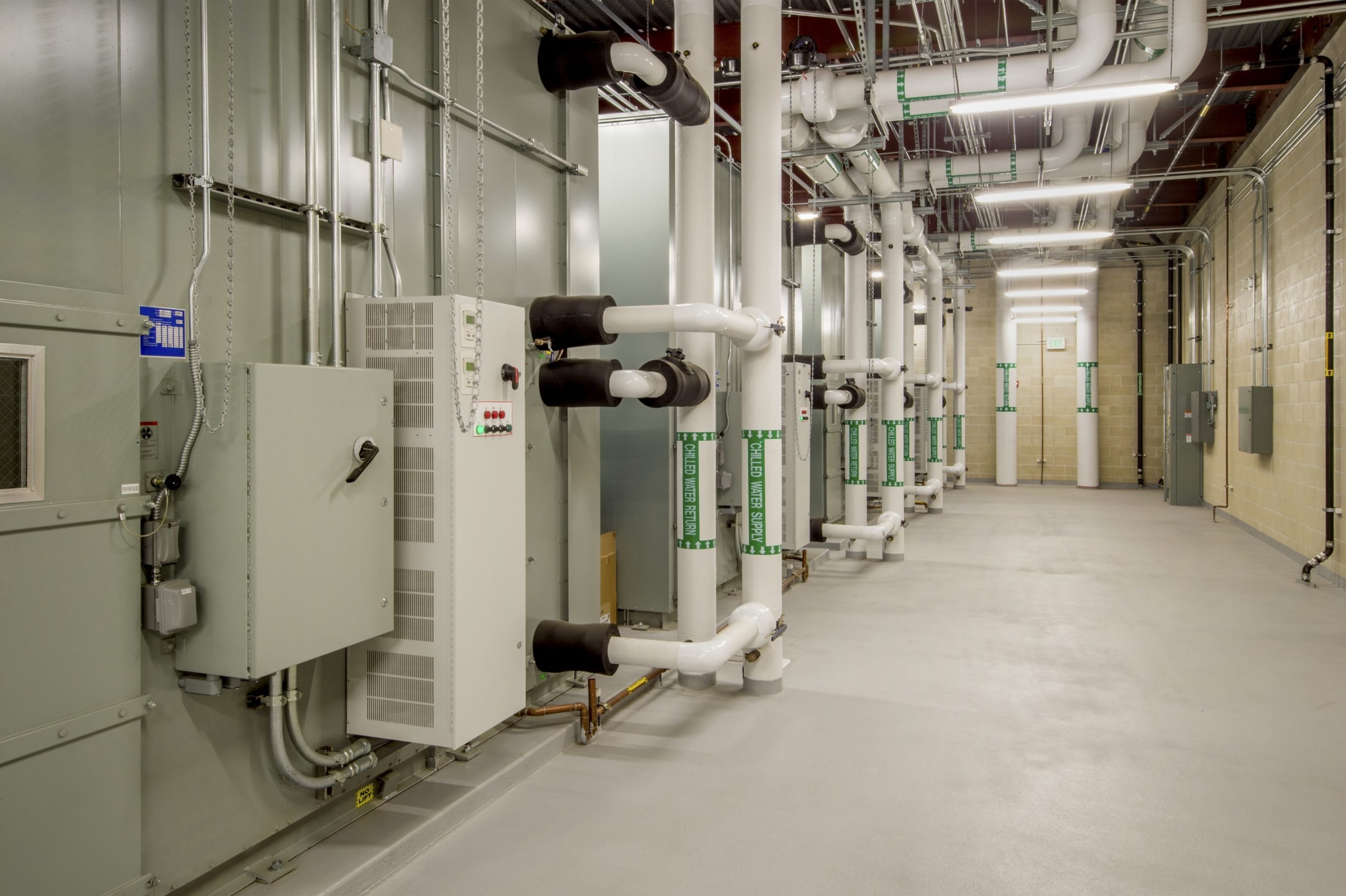
Process
Walkthrough: I spend the first days on the floor — not in a conference room. Utility bills tell part of the story. The equipment tells the rest.
System Analysis: Map every major energy consumer against actual operational schedules. Most facilities run full load 24 hours because nobody ever programmed anything differently.
Engineering & Implementation: Program controls, automate scheduling, upgrade what needs upgrading. The fixes are usually less expensive than the waste they're eliminating.
Validation: Track consumption before and after. The savings should be visible on the next utility bill — not in a PowerPoint six months later.
Ongoing Maintainance: Establish proper maintenance cycles so the gains hold. Most efficiency projects fail here. The equipment goes back to baseline because nobody owns it after implementation.
Results
At an LA-based contract manufacturer, I identified a $25,000 monthly electricity waste within the first three days — air compressors running at full load around the clock because the controls had never been programmed. Fixed it. The bill dropped immediately.
That was just the start. Layered on timed lighting systems, tighter HVAC scheduling, full boiler insulation, and steam line safety overhauls — including replacing water valves on steam lines that were burning operators daily. The facility had been running duct-tape oven mitts as a workaround for years.
Total outcome: 65% reduction in annual energy costs. Full ROI within 12 months. Better lighting, safer working conditions, and equipment that actually gets maintained.
Conclusion
Starting a warehouse from scratch is straightforward — connect the dots. Energy conservation in a running facility is a detective novel. The waste is already built into the walls, the habits, and the systems nobody questions because they've always worked that way.
What I love about this work is that the improvements compound. Every day after implementation, the facility runs cheaper and safer than the day before. That's a different kind of satisfaction than finishing a machine build — and just as real.
Energy work is most effective when it's part of a broader manufacturing optimization engagement — and every efficiency gain we implement gets captured in documented procedures so the savings hold.