Documentation
Documentation, SOP, cGMP/ISO/MoCRA
Objective
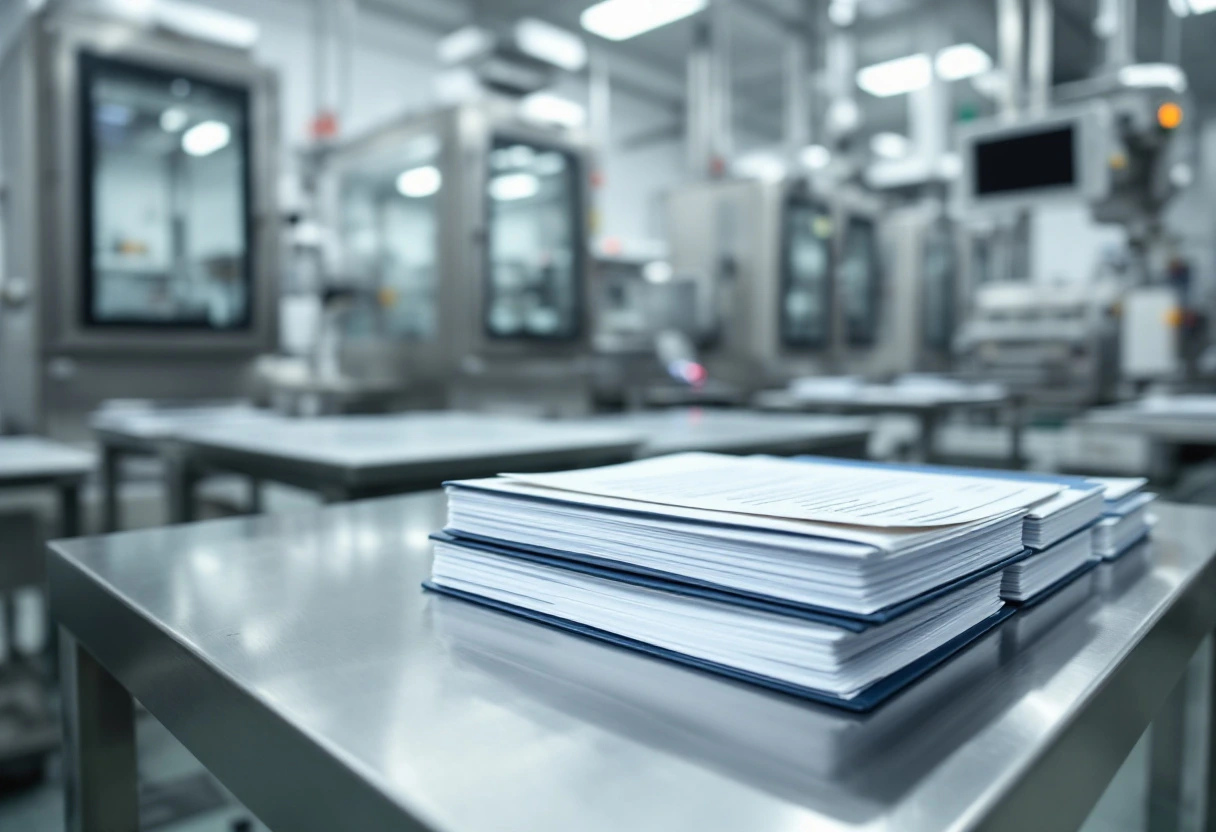
Manufacturing facilities don't fail audits because people aren't following procedures — they fail because nobody can prove it. I've spent 14 years on production floors where that distinction cost real money. The documentation work I do closes that gap: structured, traceable records that hold up under regulatory scrutiny and don't fall apart when a key employee leaves.
MoCRA's cGMP final rule is now in effect. Every cosmetics facility must demonstrate documented, compliant operations — or face FDA citations, lost contracts, and failed audits.
What I deliver
1. Regulatory Compliance Framework — cGMP, ISO 22716 & MoCRA
2. Warehouse Operations Documentation
3. Quality Control Laboratory Procedures
4. Safety & Training Documentation
5. Process Control & Documentation Systems
6. Validation & Verification Protocols
Process
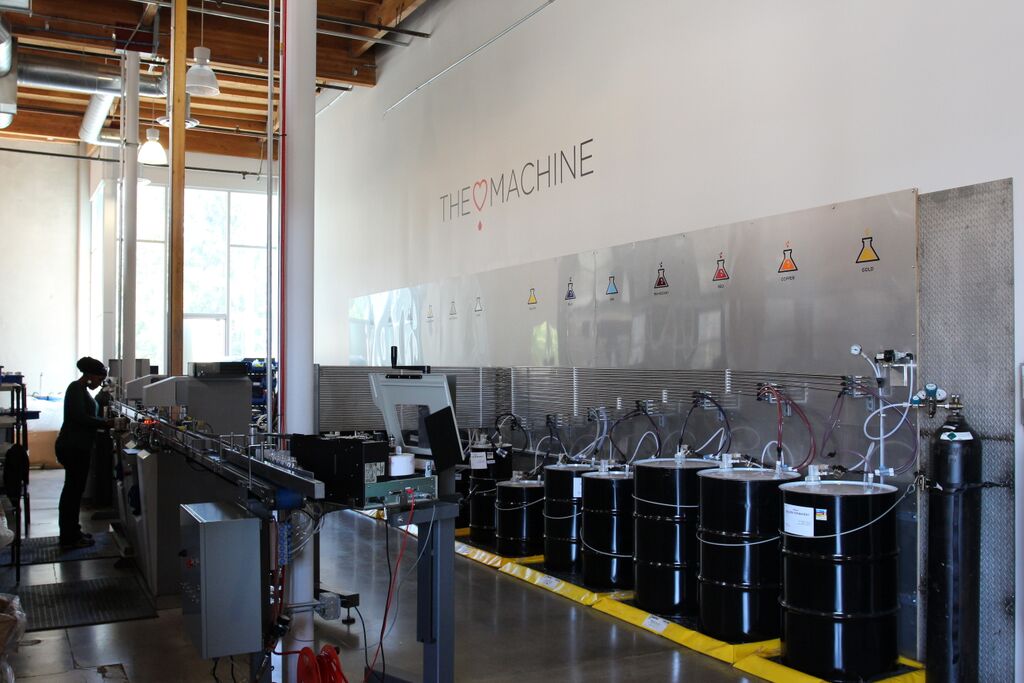
Assessment: Walk the floor and map every operation against your current regulatory requirements. Most facilities have significant undocumented surface area they aren't aware of.
SOP Development: Write procedures at the operator level — plain language, bilingual where the workforce requires it, specific enough to survive a personnel change.
Workflow Design: Structure log submission and sign-off sequences so records lock after approval and can't be retroactively altered. This is the piece most facilities skip — and the piece auditors look for first.
Implementation: Roll out with operator training. Where appropriate, integrate with digital tracking tools to replace paper logs with timestamped, searchable records.
Ongoing Review: Establish SOP review cycles, version control, and deviation resolution protocols so the system stays current as equipment, personnel, and regulations change.
Results
Facilities I've documented have passed regulatory audits with zero critical findings — including cGMP and ISO 22716 inspections. During COVID, I developed an emergency SOP protocol guide downloaded hundreds of times. When documentation is done well, people actually use it.
I also built Linea — a cGMP-compliant tool maintenance tracking platform for regulated manufacturers — because equipment-level documentation gaps are where audits get lost. [Website coming shortly!]
Conclusion
Most facilities run on tribal knowledge until something breaks — one personnel change or one inspector visit away from a significant finding. The gap between "we follow procedures" and "we can prove we follow procedures" is a documentation problem. It's also a solvable one.
I started writing SOPs at the beginning of my career and never stopped. Reach out for a free SOP template, or let's talk about building your compliance foundation before your next audit.
Documentation without the underlying process is just paperwork. We build compliance systems alongside manufacturing operations, custom equipment, and energy conservation programs — so the records reflect what actually happens on the floor.